
Lent 2 — Genesis 12:1–4a | Psalms 121 | Romans 4:1–5, 13–17 | Gospel of John 3:1–17
Lent is one of those seasons that can feel a little misunderstood.
Some people hear “Lent” and think: self-improvement project.
Fix the habit. Try harder. Be better. Earn your way into goodness.
And yes, Lent can include reflection, and choosing what we want to release, and practicing what helps us live more faithfully.
But if Lent becomes a season of perfectionism, or proving ourselves… we lose the heart of it.
Because the heart of Lent isn’t: “Try harder so God will love you.”
The heart of Lent is: God already loves you.
You are already held.
And from that belovedness, something in you can begin to change, without fear, without coercion, without condemnation.
Which is why today’s title feels like such a true Lent message:
Held while we change.
There are seasons when life asks something of us that we can’t fully explain, and we can’t fully map out either. Not a five-year plan. Not a guaranteed outcome. Just… a nudge. A stirring. A sense that staying exactly as we are isn’t quite possible anymore.
And if you’ve ever been in one of those seasons, you know the first question isn’t philosophical. It’s tender and practical:
Am I safe enough to change?
Am I okay take the next step?
Abram: the path is revealed as you act
In Genesis we meet Abram, not a superhero, not a spiritual influencer, just a human being with a life, a home, attachments, fears, responsibilities.
And God says: Go.
But notice what’s missing. God does not give Abram a map. There’s no itinerary. No step-by-step outline. No guarantee that it will all be easy.
What Abram gets is a call, and enough light for the next step.
“I will show you.” Not all at once. Not in a neat bundle.
More like: start walking, and the path will reveal itself as you act.
That’s so true to real transformation, isn’t it?
Most of the time, we don’t heal by understanding everything in advance.
We heal by taking one honest step, and then another.
We change by practicing, by trying something new, by risking a little more truth, by reaching out, by letting ourselves be helped.
Abram’s story is not “be certain.”
It’s: be willing.
And sometimes courage isn’t grand. Sometimes courage is simply:
- making the phone call,
- asking for support,
- leaving what diminishes you,
- returning to what makes you come alive,
- taking one small step toward freedom.
And you know what this reminds me of, especially this time of year?
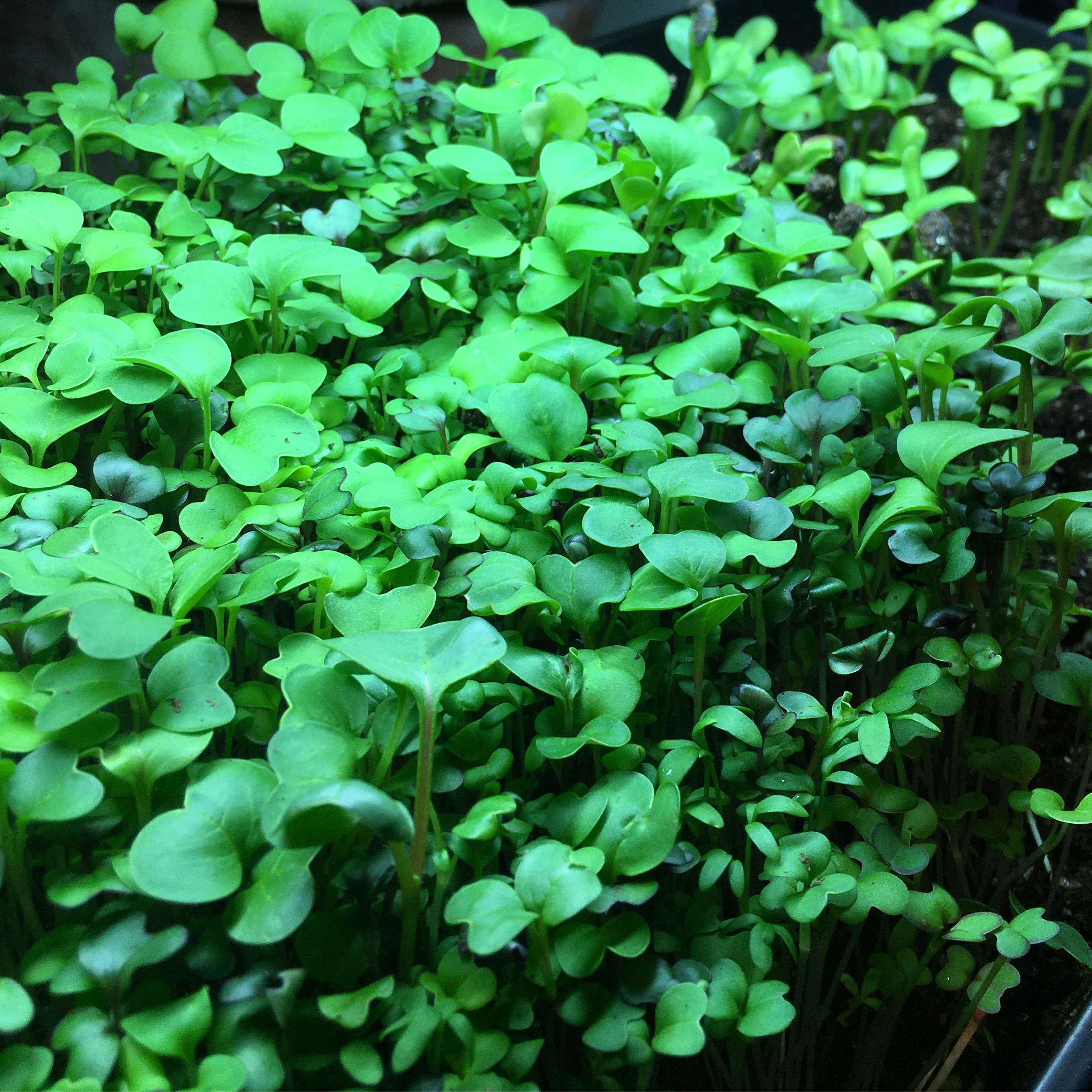
Starting seeds indoors.
You set out the little trays or cups on the windowsill. You press the seed into the soil. You water it. You label it, because you think you’ll remember, but of course you won’t. And for a while… it looks like nothing is happening. Just dirt. Just waiting.
But something is happening. Beneath the surface. A whole life is getting organized in the dark. And then one day, you notice it: a tiny green thread.
And suddenly you realize, this wasn’t nothing. This was becoming.
It reminds me of a line from an old song from the 80’s, “sowing the seeds of love.” I keep thinking about it because it’s such a good image for Lent: we practice love in small ways, and we trust that something is growing, even when we can’t see it yet.
That’s what Abram’s call feels like to me. The path isn’t always revealed in advance. Sometimes you do the small faithful things, one step, one act of courage, one choice toward life, and the growth shows up later.
Psalm 121: the Keeper who holds you on the road
And then Psalm 121 meets that bravery with something we need just as much:
“I lift up my eyes to the hills—
from where will my help come?”

This isn’t abstract. It’s a journey psalm.
It’s the prayer you pray when you’re moving through uncertainty.
It doesn’t say, “Nothing hard will happen.”
It says, you will not be alone.
The Holy One is described as Keeper, steadiness, presence, protection.
Not the kind of “protection” that prevents all hardship, but the kind that makes hardship survivable.
It’s a psalm for anxious minds and tender bodies.
A psalm for people who’ve learned to brace.
“The One who keeps you will not slumber.”
In other words: you don’t have to keep yourself alone.
You don’t have to be on watch all night.
Held while we change.
Romans: grace over striving
Then Romans comes in, not to pile on a burden, but to lift one.
Paul is arguing that the promise doesn’t come through achievement, perfection, or performing the right identity.
It comes through trust.
Not trust as “being certain.”
Trust as “leaning your life toward what’s good when you can’t control the outcome.”
That matters because so many of us were trained, by family, culture, even religion, to believe the way you become worthy is by trying harder, doing more, getting it right, proving you belong.
But Romans says: no. That’s not the pattern.
The pattern is grace.
You are not loved because you are flawless.
You are loved so that you can become free.
You are not held because you have arrived.
You are held while you change.
And that is such a Lent truth: Lent isn’t “earn love.”
Lent is “practice receiving love… and let that love reorganize you.”
John 3: night questions, wide love, no condemnation
And then we come to John 3. This passage has been used like a gate.
As if the message is: “Say the right words, join the right group, or else.”
If you’ve ever heard it that way, if you’ve ever felt pressured, or made small by it, I understand why that would make anyone want to run.
But that is not the only way to read this story. And I don’t believe it’s the best way.
Because look at what actually happens.
Nicodemus comes at night.
Because he’s cautious.
Because he has questions.
Because he’s not ready to be seen yet.
And if we’re honest, so many of us have a Nicodemus part inside:
the part that wonders,
the part that doesn’t want to be shamed,
the part that has been burned before,
the part that wants God, but doesn’t want a trap.
Nicodemus comes with respect. He comes with curiosity.
And Jesus doesn’t crush him.
Jesus speaks about being “born from above,” born of Spirit.
And in some churches, that gets turned into a membership requirement.
But what if “born from above” is less about a label…
and more about an inner reorientation?
What if it means: becoming newly capable of life.
Newly capable of trust.
Newly capable of receiving love.
Newly capable of letting go of what keeps you stuck.
Newly capable of moving from fear into presence.
And then the center of the passage lands here:
“God so loved the world…”
Not: God so loved the people who got it right.
Not: God so loved the insiders.
The world.
And John goes even further, this line matters so much:
“Indeed, God did not send the Son into the world to condemn the world,
but in order that the world might be saved through him.”
So let’s talk about that phrase people get tangled in:
“that whoever believes in him may have eternal life.”
If we hear “believe” as a test, we’ll hear “eternal life” as a prize,
a heaven-pass, a sorting system, a spiritual border checkpoint.
But what if John is offering something deeper and kinder?
In the language of the gospel, “believe” isn’t just agreeing with an idea.
It’s closer to trusting into, leaning your life toward Love.
And “eternal life” isn’t only “later.”
It’s also a quality of life that begins now,
life that’s less organized by fear, less driven by shame, less trapped in old patterns,
and more rooted in love, courage, truth, and repair.
So if someone says “Jesus in your heart,” it doesn’t have to mean,
“Say the right thing so you qualify.”
It can mean something like this:
Love becoming internal.
A healing presence you can actually lean on.
A steady compassion that meets your frightened parts without contempt.
A center that helps you choose the next brave step.
Not condemnation. Not exclusion.
Presence. Redemption. Repair.
A bigger, more liberating possibility:
that the world can be saved, made more whole, through love.
A brief Lent pause
So I want to offer a small practice, just a moment. A very Lent kind of moment.
If it feels comfortable, take one slow breath.
And if you are carrying a night question,
if you’re in a season of becoming,
if you’re working with an old trauma response,
if you’re trying to build a different life,
Let this be a prayer:
“God, hold me while I change.”

The wider Lent invitation: not just personal, but shared
And Lent also asks us to look beyond our individual lives.
Abram is called not just to self-improvement, but to become a blessing.
And sometimes being a blessing is personal kindness. And sometimes it’s collective courage.
In a world where people are being displaced, by war, by poverty, and yes, by a changing climate, Lent can be a season where we ask: How do we become a safe harbour?
How do we practice stewardship and compassion instead of the false security of “ownership” and “us first”?
Again: not shame. Not condemnation.
But a turning, rerouting, toward love that has hands and feet.
What church is for, in a sentence
And maybe this is where church comes in.
We don’t gather because goodness can’t happen elsewhere. It can.
We gather because love takes practice,
and most of us can’t practice alone forever.
We gather to rehearse courage.
To tell the truth.
To be reminded we are kept.
To offer real help.
To become a community where tenderness isn’t weakness, and growth isn’t performance.
A community of fallible humans—yes.
People shaped by wounds sometimes—yes.
People who make mistakes—absolutely.
But still: a place where we practice reflecting our better selves, for the good of the world.
Closing: a simple Lenten practice for the week
So here’s the invitation I hear in all four readings:
If you feel called to take a step, take it.
Not the whole staircase. Just the step you can take with integrity.
If you’re afraid, let Psalm 121 remind you: you are kept.
If you’re exhausted from striving, let Romans remind you: grace is real.
If you’re carrying a private question, let Nicodemus remind you: you can come as you are.
And if you’re on a road you can’t fully see yet, let Abram remind you: the path is revealed as you act.
And here’s a small Lent practice you can try this week:
When you water a plant, or even rinse a dish, or make your tea, I invite you to say this little prayer:
“Hold me while I change.”
Just once. No drama. Like tending a seed.
Because God doesn’t only meet us after we’ve changed.
God meets us in the middle of it.
Held while we change.
Amen
Threads to carry into the week
You do not need the whole path before you begin. Like Abram, you are given enough light for the next step. Let courage be small, honest, and faithful.
Lent is not a test you pass. It is a season of reorientation, away from shame, toward love; away from striving, toward grace; away from fear, toward what helps life grow.
If you are carrying questions, you are in good company. Nicodemus came at night, and was met not with condemnation, but invitation. Bring your questions with you, and keep listening for what is true and life-giving.
Practice being held while you change. Rest when you need to. Ask for help. Let gratitude steady you. Trust that some of the most important growth is happening where you cannot yet see it.
Take up the song of peace, hope, and love in one concrete way this week: protect someone more vulnerable, speak truth with compassion, give generously, or tend one small corner of the world with care.
Your effort matters. Your vision matters. The seeds of love you plant now may become shelter, courage, and repair for more people than you know.
